
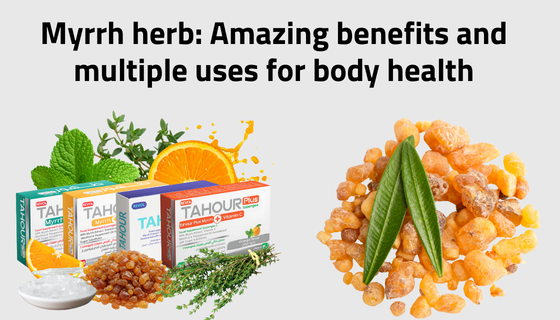
Myrrh, derived from the resin of certain thorny, has been a cherished natural remedy for millennia, valued by civilizations for its healing properties and still prominent in modern wellness routines. This aromatic gum is packed with antioxidants, anti-inflammatory compounds, and antimicrobial agents, making it a staple in alternative, skincare, and even everyday products. In this article, we’ll explore myrrh’s origins, benefits, applications, and precautions, drawing from historical wisdom and contemporary research, while highlighting premium products available Tahour Store.
What is Myrrh?
rrh is a natural resin extracted the bark of trees in the Commiphora genus, such as Commiphora myrrha and Commiphora molmol, which typically grow up to about 3 meters tall and feature spiky branches. Native to regions like Oman, Somalia, Yemen, southwestern Saudi Arabia, and northern Africa, it’s harvested by making incisions in the tree trunks, allowing a sticky, brownish, translucent sap to ooze out and harden. This fragrant, smoky substance was historically used by ancient Egyptians for embalming to preserve bodies from decay, and it continues to play a role in natural health and beauty practices today. For more on how myrrh is sourced and its role in modern formulations, visit Tahour Store.
Types of Myrrh
Myrrh comes in a few varieties, with quality varying based on appearance and origin:
- African Myrrh (Batarikh): Often considered premium, it’s smooth and effective for medicinal use.
- Hijazi Myrrh:ourced from the Arabian Peninsula, this type is highly regarded for its purity and potency. High-quality myrrh is typically light brown and transparent, indicating its richness in active compounds, while lower-grade versions may appear dark brown or black and contain impurities like sand, making them less desirable. Brands like those at Tahour Store prioritize top-tier varieties for their supplements to ensure maximum benefits.
Health of Myrrh
Myrrh is a natural treasure, offering a wide array of health advantages due to its potent bioactive compounds. Here’s a breakdown of its key benefits:
Healing and Skin Care
Myrrh’s antimicrobial and anti-inflammatory properties make it excellent for treating wounds and skin issues. It accelerates healing of, reduces inflammation from conditions like eczema, and fights fungi such as ringworm or athlete’s foot. Studies show it can enhance sunscreen effectiveness by blocking harmful UV rays, while also wrinkles, adding a natural glow, and hydrating the skin for a youthful appearance. For skin-specific products infused with myrrh, explore options at Tahour Store.
Digestive and Internal Health
This resin supports digestive health by soothing abdominal pain associated with irritable bowel syndrome and protecting the stomach lining to prevent ulcers. Its antioxidant effects also safeguard the liver from enzyme imbalances and oxidative stress, potentially lowering the risk of related diseases.
Pain Relief and Respiratory Support
Myrrh acts as a natural painkiller by inhibiting inflammatory substances and interacting with the body’s opioid receptors, providing relief from joint pain, muscle spasms, and even headaches. For respiratory issues, it helps alleviate sore throats, coughs, asthma and congestion by clearing phlegm and boosting overall lung function. Tahour Store offers myrrh-based supplements designed for these exact purposes.
Hair
Myrrh strengthens hair follicles, reduces breakage, and combats dandruff with its antifungal properties. Regular use, such as rinsing hair with a myrrh after shampooing, can hair density, add shine, and promote growth for healthier locks.
Other Benefits
- Anticancer Potential: Research suggests myrrh may inhibit the growth of certain cancer cells, including those in the, uterus, breast, and prostate.
- Immune and Heart Support: It enhances immune function through strong antioxidants and may improve blood flow, reduce cholesterol levels, and support heart health.
- Mental Well-Being: When used in essential oils or perfumes, myrrh can ease stress and alleviate symptoms of depression.
Historical and Modern Uses
Historically, myrrh was integral to ancient practices, such as Egyptianming to ward off bacteria and preserve food from mold. It was used in oral care, mouthwashes to treat gum inflammation and ulcers. Scholars like Ibn Sina praised it preventing decay, while Ibn al-Baitar and Al-Razi highlighted its benefits for lung, kidney, and joint issues.
In modern times, myrrh features in toothpastes, mouthwashes, anti-inflammatory creams, and respiratory aids. It’s a key ingredient in natural supplements for allergy relief, cold symptoms, and overall wellness, as seen in products from Tahour Store. Recent discoveries its role in lowering cholesterol and fighting cancer, solidifying its place in holistic health.
Cautions and Side Effects
While myrrh is highly beneficial, it must be used wisely to avoid risks:
- Pregnancy and Surgery: Avoid it during pregnancy due to potential risks of miscarriage or uterine bleeding; stop use at least two weeks before surgery as it can lower blood sugar levels.
- Existing Conditions: Those with diabetes, heart disease, or sensitive skin should use it cautiously, as it may cause irregular heartbeats, kidney inflammation, or skin rashes.
- General Guidelines: Stick to a safe daily dose of 2-4 grams, as per health authority recommendations, always perform a patch test for topical use. Overconsumption can lead to serious issues like blood in urine or severe allergic reactions.
For safe, high-quality myrrh products, check out reliable options at Tahour Store.
Best Dietary Supplements with Myrrh
For those looking to incorporate myrrh into their routine, Tahour Store offers excellent choices, such as the Sahour Pack (3 boxes). supplement premium myrrh with other natural ingredients to relieve sore throats, reduce coughs, ease nasal congestion, and address allergies, headaches, and muscle pain.
Common Questions
- What conditions does myrrh treat? It effectively addresses sore throats, inflammation, coughs, asthma, joint pain, and digestive issues.
- What are the benefits for skin and body? Myrrh protects against UV damage, heals wounds, reduces wrinkles, and alleviates eczema and for a radiant, healthy complexion.
- Are there any harms? Yes, excessive use can lead to health complications like irregular heartbeats or low blood sugar, so moderation is key.
- What are the benefits for hair? It moisturizes dry hair, repairs split ends, fights dandruff, adds shine, and boosts growth and density.
- Can myrrh be used daily? Yes, but limit intake to 2-4 grams per day for uses like oral health or cold relief, following guidelines from health authorities.
Myrrh remains a timeless gift from nature, blending ancient traditions with modern science for comprehensive health support. Does this version align with what you envisioned, or would you like me to adjust any details? What would you like to explore next?
Lear More about Digital Marketing


What do you think?
[…] Every third-party script adds 34ms of delay, but images often cause even bigger performance problems. They’re usually the largest files on your pages, which makes optimization critical for Core Web Vitals success. […]